Precision Anodising
Electrochemical surface conversion for architectural aluminium — IS 1868 compliant. Clear, champagne, bronze, dark bronze, black, and gold electrolytic colours available.
- Integral oxide layer — cannot peel, chip, or delaminate
- IS 1868 Class 10 through Class 25 film thickness
- Electrolytic colour anodising: champagne, bronze, dark bronze, black, gold
- No organic film — zero VOC electrochemical process
- 50+ year architectural track record worldwide
What is Anodising?
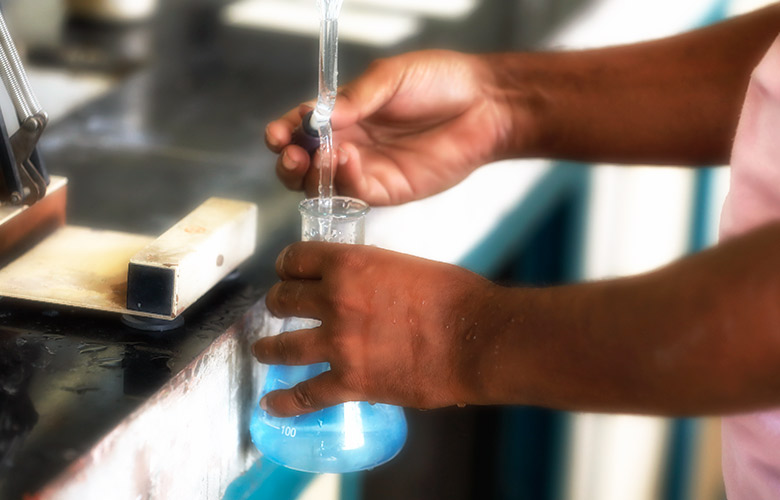
Anodising is an electrochemical process that converts the surface of aluminium into a dense, hard aluminium oxide layer. Unlike paint or powder coatings which sit on the surface, the anodic film grows integrally from the metal itself — it cannot peel, chip, or delaminate even under mechanical stress or thermal cycling.
The process involves immersing pre-cleaned aluminium in a sulphuric acid electrolyte and passing a controlled electric current. The resulting porous oxide can be sealed for corrosion resistance, or coloured with electrolytic metallic salts before sealing, producing the champagne, bronze, dark bronze, black, and gold shades used in architectural applications.
Radiant Anodisers has specialised in sulphuric acid anodising for architectural profiles since 1995, with tanks sized for full-length extrusions and capacity for electrolytic colour anodising in standard architectural shades.
IS 1868 Thickness Classes
Class 10 — 10 micron minimum
Interior architectural use. Doors, partitions, interior window frames, sheltered shopfronts.
Class 15 — 15 micron minimum
Standard exterior architectural use. Window frames, standard facades, louvres, and roofing profiles.
Class 20 — 20 micron minimum
Heavy-duty exterior. Curtain walls, high-rise facades, industrial and coastal environments.
Class 25 — 25 micron minimum
Severe marine exposure or high-wear applications. Maximum corrosion and abrasion resistance.
Colour Options
Natural / Clear
Preserves the natural silver-grey of aluminium. Most common choice for contemporary facades and curtain wall systems.
Champagne
Warm gold-beige tone. Popular for residential and hospitality projects requiring a warm metallic aesthetic.
Medium Bronze
Classic warm brown. Widely used for shopfront systems, commercial window frames, and curtain wall profiles.
Dark Bronze
Deep rich brown. Premium architectural choice for high-specification facades and luxury commercial developments.
Black
True electrolytic black. Consistent colour, excellent UV stability, widely used in contemporary architectural design.
Gold
Electrolytic gold anodising for decorative applications. High-end commercial interiors and feature facades.
Applications
Curtain Walls & Facades
High-rise facades, structural glazing frames, and rainscreen cladding. Class 20 or Class 25 recommended.
Windows & Doors
Casement, sliding, fixed-light, and entrance door systems for residential and commercial projects.
Shopfronts & Partitions
Commercial shopfront systems, glazed office partitions, and interior architectural metalwork.
Industrial Components
Heat sinks, equipment enclosures, and machinery parts requiring a hard, wear-resistant surface.
Solar Structures
Mounting frames, racking systems, and panel border profiles for solar PV installations.
Residential
Balcony railings, staircase components, furniture frames, and decorative interior elements.
Specify Anodised Aluminium
Share your project requirements — profile sizes, IS 1868 class, colour specification — and our team will confirm feasibility and lead times
Request a Quote